

 View larger
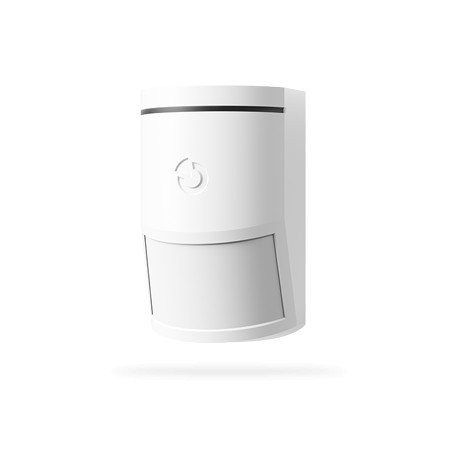
JAB Wireless dual PIR & MW motion detector JA-161PW
More info
JA-161PW is a wireless combined motion detector (PIR + microwave) engineered for reliable indoor intrusion detection. The PIR sensor initiates detection and the microwave module confirms or rejects the event, improving immunity to false alarms caused by temperature shifts, drafts or radiant heat sources.
The detector is addressable within the JABLOTRON 100+ system and supports two‑way radio communication on 868.1 MHz (JABLOTRON protocol). Configuration and fine tuning are done remotely via F‑Link; microwave sensitivity is adjustable in four levels. Recommended mounting height is 2.5 m.
Key technical data:
- Detection (PIR): 110° / up to 12 m.
- Detection (MW): 90° / up to 12 m; MW operating frequency 24.125 GHz; maximum MW EIRP 50 mW.
- Radio link: 868.1 MHz; maximum RF power (ERP) <25 mW.
- Power supply: 2× alkaline LR6 (AA) 1.5 V / 2.45 Ah; typical battery life ≈ 2 years; low battery threshold <2.4 V.
- Dimensions: 60 × 98 × 52 mm; weight (without batteries): 93 g; security grade 2 / environmental class II.
- Operating temperature: -10 °C to +40 °C; max. average humidity 75 % RH (non‑condensing).
Beyond intrusion detection, JA-161PW can be used for automation tasks such as lighting control. The microwave module can be disabled when the system is disarmed so the detector responds only to PIR for faster automation triggers. Installation and commissioning should be performed by a trained technician and the protected area inspected to ensure full coverage without blind spots.
Regulatory note: Check local regulations on microwave device use; some jurisdictions restrict parts of the 24 GHz band (e.g. use is not permitted in Great Britain for 24.05–24.15 GHz). Observe national telecommunications requirements.
30 other products in the same category:
-
Reference: JA-151P-WW
Manufacturer: JABLOTRON ALARMS S.A.
Wireless PIR motion detector JA-151P-WW
Jablotron JA-151P-WW is a wireless PIR motion detector with SMART WATCH to...
-

Reference: JA-185P
Manufacturer: JABLOTRON ALARMS S.A.
Wireless ceiling PIR detector JA-185P
The Jablotron JA-185P is a compact wireless ceiling PIR motion detector for...
-

Reference: JA-180P
Manufacturer: JABLOTRON ALARMS S.A.
Wireless PIR motion detector JA-180P
The Jablotron JA-180P is a wireless indoor PIR motion detector. It provides...
-

Reference: JA-160PC
Manufacturer: JABLOTRON ALARMS S.A.
Detector with camera JA-160PC
Wireless PIR motion detector with an integrated verification camera for the...
-

Reference: JA-110P
Manufacturer: JABLOTRON ALARMS S.A.
PIR motion detector JA-110P
Wired BUS PIR motion detector for interior protection; standard coverage 110°...
-
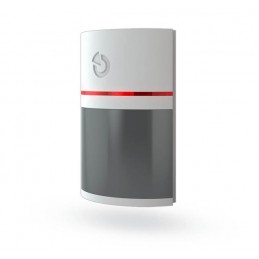
Reference: JA-111P-WG
Manufacturer: JABLOTRON ALARMS S.A.
Motion detector JA-111P-WG
Bus PIR motion detector JA-111P-WG with a grey lens offering increased...
-

Reference: JA-111P-WW
Manufacturer: JABLOTRON ALARMS S.A.
Motion detector JA-111P-WW
The JA-111P-WW is an addressable BUS PIR motion detector for the JABLOTRON...
-
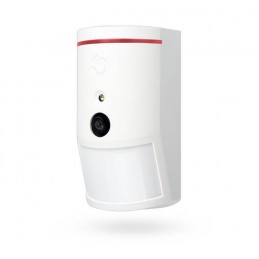
Reference: JA-120PC
Manufacturer: JABLOTRON ALARMS S.A.
Motion Detector with Camera JA-120PC
Bus-powered PIR motion detector with an integrated verification camera....
-

Reference: JA-120PB
Manufacturer: JABLOTRON ALARMS S.A.
PIR & GB detector JA-120PB
JA-120PB is a bus combined detector that integrates a PIR motion sensor and...
-

Reference: JA-180W
Manufacturer: JABLOTRON ALARMS S.A.
Wirelles (PIR & MW) detector JA-180W
The JA-180W is an addressable Jablotron wireless motion detector combining a...
-
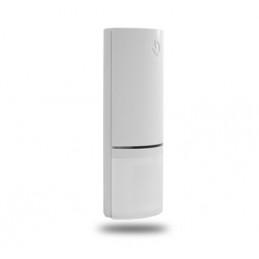
Reference: JA-122PW
Manufacturer: JABLOTRON ALARMS S.A.
Dual PIR and MW detector JA-122PW
JA-122PW is a bus device for the JABLOTRON 100+ system combining passive...
-

Reference: JA-162PW
Manufacturer: JABLOTRON ALARMS S.A.
Dualni PIR i MW detektor pokreta, bežični JA-162PW
The JA-162PW is a wireless dual PIR & MW motion detector for the JABLOTRON...
-

Reference: JA-162PW (G)
Manufacturer: JABLOTRON ALARMS S.A.
JAB Dualni Pir i MW detektor pokreta JA-162PW (G)
JAB JA-162PW (G) is a wireless dual PIR & MW motion detector combining...
-

Reference: JA-122PW (G)
Manufacturer: JABLOTRON ALARMS S.A.
PIR & MW detector JA-122PW (G)
JA-122PW (G) is a JABLOTRON 100+ bus dual PIR & MW motion detector. Grey lens...
-

Reference: JA-112P-AN
Manufacturer: JABLOTRON ALARMS S.A.
JA-112P-AN Bus PIR motion detector - anthracite
Addressable bus PIR motion detector for the JABLOTRON 100+. Guarantees 90°/12...
-
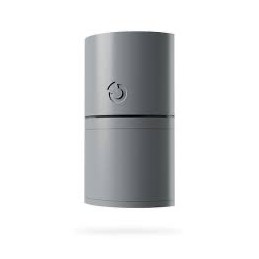
Reference: JA-112P-GR
Manufacturer: JABLOTRON ALARMS S.A.
JA-112P-GR Bus PIR motion detector - grey
JA-112P-GR is an addressable BUS PIR motion detector for the JABLOTRON 100+....
-

Reference: JA-152P-GR
Manufacturer: JABLOTRON ALARMS S.A.
JA-152P-GR Wireless PIR motion detector - grey
The JA-152P-GR is an addressable wireless PIR motion detector for the...
-

Reference: JA-152P-AN
JA-152P-AN Wireless PIR motion detector - anthracite
The JA-152P-AN is an addressable wireless PIR motion detector for the...
-

Reference: JA-122PW-GR
Manufacturer: JABLOTRON ALARMS S.A.
JA-122PW-GR Bus dualni PIR i MW detektor pokreta - sivi
JABLOTRON JA-122PW-GR is a bus dual PIR+MW motion detector for the JABLOTRON...
-

Reference: JA-122PW-AN
Manufacturer: JABLOTRON ALARMS S.A.
JA-122PW-AN Bus dual PIR and MW motion detector - anthracite
The JA-122PW-AN is a BUS dual PIR + MW motion detector for the JABLOTRON 100+...
-

Reference: JA-122PB
Manufacturer: JABLOTRON ALARMS S.A.
JA-122PB Bus combined PIR motion and glass break detector
JA-122PB is a bus combined detector for JABLOTRON systems that integrates a...
-

Reference: JA-122PB-AN
Manufacturer: JABLOTRON ALARMS S.A.
JA-122PB-AN Bus combined PIR motion and glass break detector - anthracite
JA-122PB-AN is a JABLOTRON bus detector that combines a PIR motion sensor and...
-
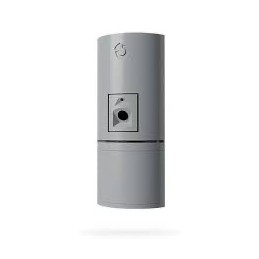
Reference: JA-122PC-GR
Manufacturer: JABLOTRON ALARMS S.A.
JA-122PC-GR Bus combined PIR motion detector with 90° photoverification...
The JA-122PC-GR is a BUS combined PIR motion detector with a 90°...
-

Reference: JA-122PC-AN
Manufacturer: JABLOTRON ALARMS S.A.
JA-122PC-AN Bus combined PIR motion detector with 90° photoverification...
JA-122PC-AN is a BUS combined PIR motion detector with an integrated 90°...
-

Reference: JA-122PB-GR
Manufacturer: JABLOTRON ALARMS S.A.
JA-122PB-GR Bus combined PIR motion and glass break detector - grey
JA-122PB-GR is a BUS detector for JABLOTRON systems combining a PIR motion...
-
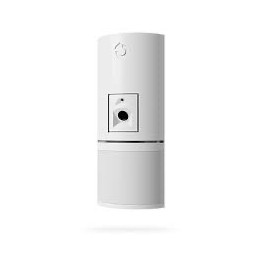
Reference: JA-122PC
Manufacturer: JABLOTRON ALARMS S.A.
JA-122PC Bus combined PIR motion detector with 90° photoverification camera
JA-122PC is a bus combined PIR motion detector with a built‑in 90°...
-
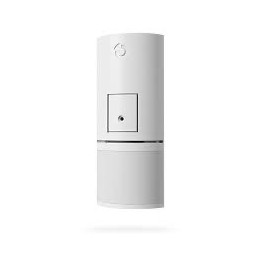
Reference: JA-162PB
Manufacturer: JABLOTRON ALARMS S.A.
JA-162PB Wireless combined PIR motion and glass-break detector
The JA-162PB is a wireless combined PIR motion and glass‑break (GBS) detector...
-
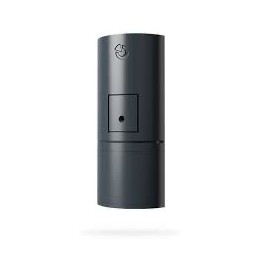
Reference: JA-162PB-AN
Manufacturer: JABLOTRON ALARMS S.A.
JA-162PB-AN Wireless combined PIR motion and glass-break detector - anthracite
JA-162PB-AN is a wireless combined detector that integrates a PIR motion...
-
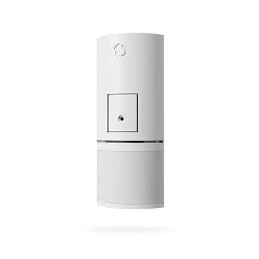
Reference: JA-162PB-GR
Manufacturer: JABLOTRON ALARMS S.A.
JA-162PB-GR Wireless combined PIR motion and glass-break detector - grey
Wireless component of the JABLOTRON system for indoor motion and glass-break...
-
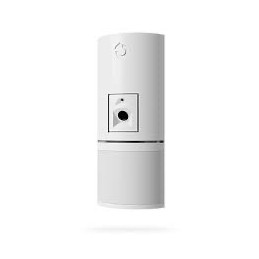
Reference: JA-162PC
Manufacturer: JABLOTRON ALARMS S.A.
JA-162PC Wireless PIR motion detector with a 90° verification camera
The JA-162PC is a wireless JABLOTRON PIR motion detector with an integrated...