 View larger
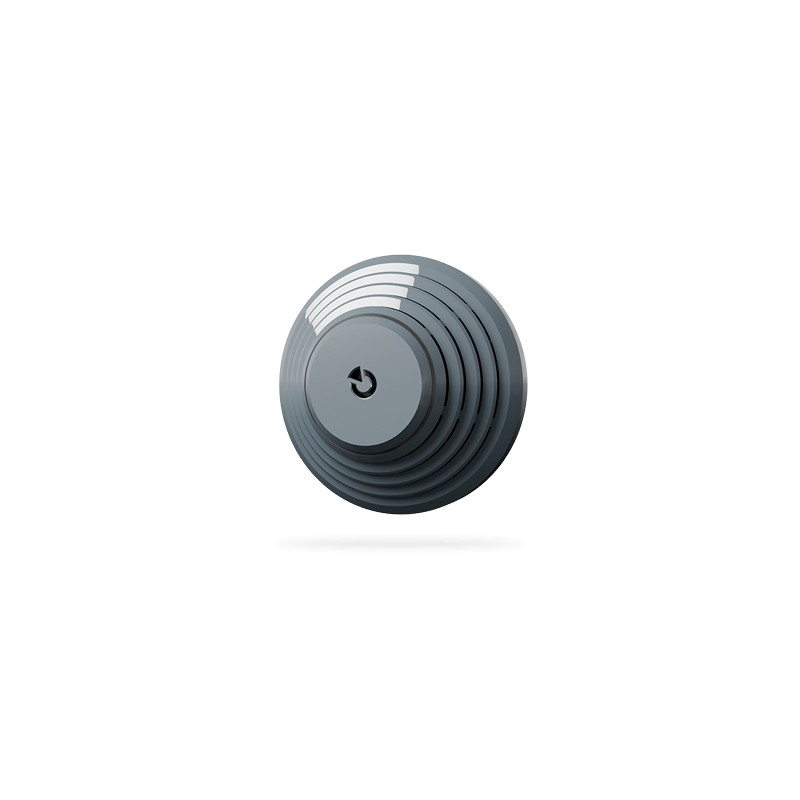
JAB JA-111ST-A-AN Combined smoke and heat detector (BUS)

More info
JAB JA-111ST-A-AN is a BUS combined smoke and heat detector designed for indoor fire detection in residential and commercial buildings. The -AN suffix denotes the anthracite finish; electrical and detection characteristics match the JA-111ST-A family.
The detector houses two independent sensing elements: an optical smoke chamber (light scattering principle) and an A1-class heat sensor. Using both sensors in one unit improves detection coverage across different fire types while helping to limit false alarms.
Primary power is supplied from the control panel BUS (12 V DC; operating range 9–15 V). If BUS power or communication is lost, the detector can continue to operate autonomously on three 1.5 V AA batteries (alkaline or FR6 lithium), enabling stand-alone operation in accordance with EN 14604. Typical battery life is approximately 3 years under recommended conditions.
Key technical data:
- Optical smoke sensitivity m = 0.11–0.13 dB/m and heat detection with alarm threshold around +60 °C to +65 °C.
- Integrated LED indicator and acoustic signalling; monitored via the system BUS.
- Complies with EN 14604, EN 54-5, EN 54-7 and applicable EMC standards.
- Dimensions: Ø 126 mm, height 52 mm; weight ≈ 150 g (without batteries).
Correct placement is important for reliable operation: mount the detector on the ceiling where smoke can naturally reach it. Avoid installation in kitchens, dusty environments, close to HVAC outlets or in locations with strong airflows that may cause false alarms.
Commissioning and enrolment into the alarm system must be performed by a trained installer using F-Link software or the enrolment procedure in the manual. Maintenance consists of regular function tests (test button or service mode), cleaning of the sensing chamber and timely battery replacement to maintain dependable operation.
30 other products in the same category:
-

Reference: JA-63S-100
Manufacturer: JABLOTRON ALARMS S.A.
Smoke and heat detector JA-63S-100
Wireless optical smoke and heat detector JA-63S-100 for the JABLOTRON 100+...
-

Reference: EI208W
Manufacturer: JABLOTRON ALARMS S.A.
Carbon monoxide detector EI208W
Standalone carbon monoxide (CO) detector with electrochemical sensor and...
-

Reference: EI208DW
Manufacturer: JABLOTRON ALARMS S.A.
Carbon monoxide detector EI208DW
Stand‑alone EI208DW carbon monoxide detector with LCD and electrochemical...
-

Reference: LD-81
Manufacturer: JABLOTRON ALARMS S.A.
Flood detector LD-81
The Jablotron LD-81 is a wired flood/water‑leak probe for use in cellars,...
-

Reference: JA-110G-CO
Manufacturer: JABLOTRON ALARMS S.A.
Bus module JA-110G-CO
Plug-in BUS module for direct installation into a standalone Ei208W or...
-

Reference: JA-150G-CO
Manufacturer: JABLOTRON ALARMS S.A.
Module for CO detector JA-150G-CO
JA-150G-CO is a plug‑in wireless module for direct installation into a...
-

Reference: JA-151TH
Manufacturer: JABLOTRON ALARMS S.A.
Wireless temperature detector JA-151TH
Wireless temperature detector for the JABLOTRON 100 system. Enables heating...
-

Reference: JA-111TH
Manufacturer: JABLOTRON ALARMS S.A.
Temperature detector JA-111TH
JA-111TH is a BUS temperature detector for JABLOTRON 100. It measures ambient...
-

Reference: JA-111ST
Manufacturer: JABLOTRON ALARMS S.A.
Smoke and heat detector JA-111ST
The JABLOTRON JA-111ST is a BUS combined optical smoke and heat detector with...
-

Reference: JA-110ST
Manufacturer: JABLOTRON ALARMS S.A.
Smoke and temperature detector JA-110ST
JA-110ST is an addressable BUS combined smoke and heat detector powered from...
-

Reference: JA-150ST
Manufacturer: JABLOTRON ALARMS S.A.
Wireless fire and temperature detector JA-150ST
JA-150ST is an optical wireless smoke and temperature detector for...
-

Reference: JA-151ST
Manufacturer: JABLOTRON ALARMS S.A.
Smoke and heat detector JA-151ST
Wireless combined smoke and heat detector JA-151ST with built-in siren....
-

Reference: JB-EXT-TH-R
Manufacturer: JABLOTRON ALARMS S.A.
Temperature detector JB-EXT-TH-R
Wireless outdoor temperature detector JB-EXT-TH-R for JABLOTRON 100+....
-

Reference: GS-133
Manufacturer: JABLOTRON ALARMS S.A.
Gas leak detector GS-133
Jablotron GS-133 gas detector for combustible gases (natural gas, methane,...
-

Reference: LD-12
Manufacturer: JABLOTRON ALARMS S.A.
LD-12 Flood detector
The LD-12 is a wired flood detector for indoor use (e.g. cellars, bathrooms)....
-

Reference: LD-81-PACK
Manufacturer: JABLOTRON ALARMS S.A.
LD-81-PACK Flood detector of 10 pieces with 10 cm cable
LD-81-PACK contains ten Jablotron LD-81 flood detectors, each with a fixed 10...
-

Reference: SD-283ST
Manufacturer: JABLOTRON ALARMS S.A.
SD-283ST Wired combined smoke and heat detector with built-in siren
Wired combined smoke and heat detector with built-in siren, suitable for...
-

Reference: SD-503ST
Manufacturer: JABLOTRON ALARMS S.A.
SD-503ST Standalone combined smoke and heat detector with built-in siren
The Jablotron SD-503ST is a standalone combined optical smoke and heat...
-

Reference: GS-208-CO
Manufacturer: JABLOTRON ALARMS S.A.
GS-208-CO Wired module for connection of the Ei208W(D) CO detector
GS-208-CO is a plug‑in wired module for direct integration into Ei208W or...
-
Reference: JA-151F
JAB JA-151F Wireless Flood Detector
The JAB JA-151F is a compact wireless flood detector for early indoor leak...
-
Reference: JB-111TP-AN
JAB Thermostat JB-111TP-AN — anthracite
Bus-connected room thermostat JABLOTRON JB-111TP-AN for zonal temperature and...
-
Reference: JB-111TP
JAB BUS room thermostat JB-111TP
JAB JB-111TP is a BUS room thermostat for JABLOTRON 100+ providing zone...
-
Reference: JB-TS-NTC10K
JAB Temperature Sensor JB-TS-NTC10K
External NTC10K sensor JB-TS-NTC10K for JABLOTRON thermostats (JB-111TP,...
-
Reference: JB-151TP-AN
JAB Wireless Thermostat JB-151TP-AN Anthracite
JAB wireless room thermostat JB-151TP-AN (Anthracite) for zonal temperature...
-
Reference: JB-151TP
JABLOTRON Wireless Thermostat JB-151TP
JABLOTRON JB-151TP is a wireless room thermostat for zone and central control...
-
Reference: JB-111TH
JAB Sabirnički senzor temperature i vlage s funkcijom termostata JB-111TH
The JB-111TH is a Jablotron BUS temperature and humidity sensor with...
-
Reference: PLV-JB11XTX-AN
JAB Stražnja ploča za nadžbuknu montažu sabirničkog termostata/senzora, antracit
PLV-JB11XTX-AN is a surface-mount backplate for BUS thermostats/sensors...
-
Reference: PLV-JB11XTX
JAB Stražnja ploča za nadžbuknu montažu sabirničkog termostata/senzora
The PLV-JB11XTX is a JAB surface-mount backplate for BUS thermostats/sensors...
-
Reference: JB-151TH-AN
JAB Bežični senzor temperature i vlage s termostatom JB-151TH-AN - antracit
JAB JB-151TH-AN is a wireless temperature and humidity sensor with thermostat...
-
Reference: JB-151TH
JAB Bežični senzor temperature i vlage s termostatom JB-151TH
The Jablotron JB-151TH is a wireless temperature and relative humidity sensor...